
When Stroke Leads to Limited Mobility and Skin Issues
For stroke survivors, limited movement often becomes part of daily life. But, immobility doesn’t come alone. It can lead to pressure ulcers, also called decubitus ulcers, especially in areas under constant pressure like the buttocks.
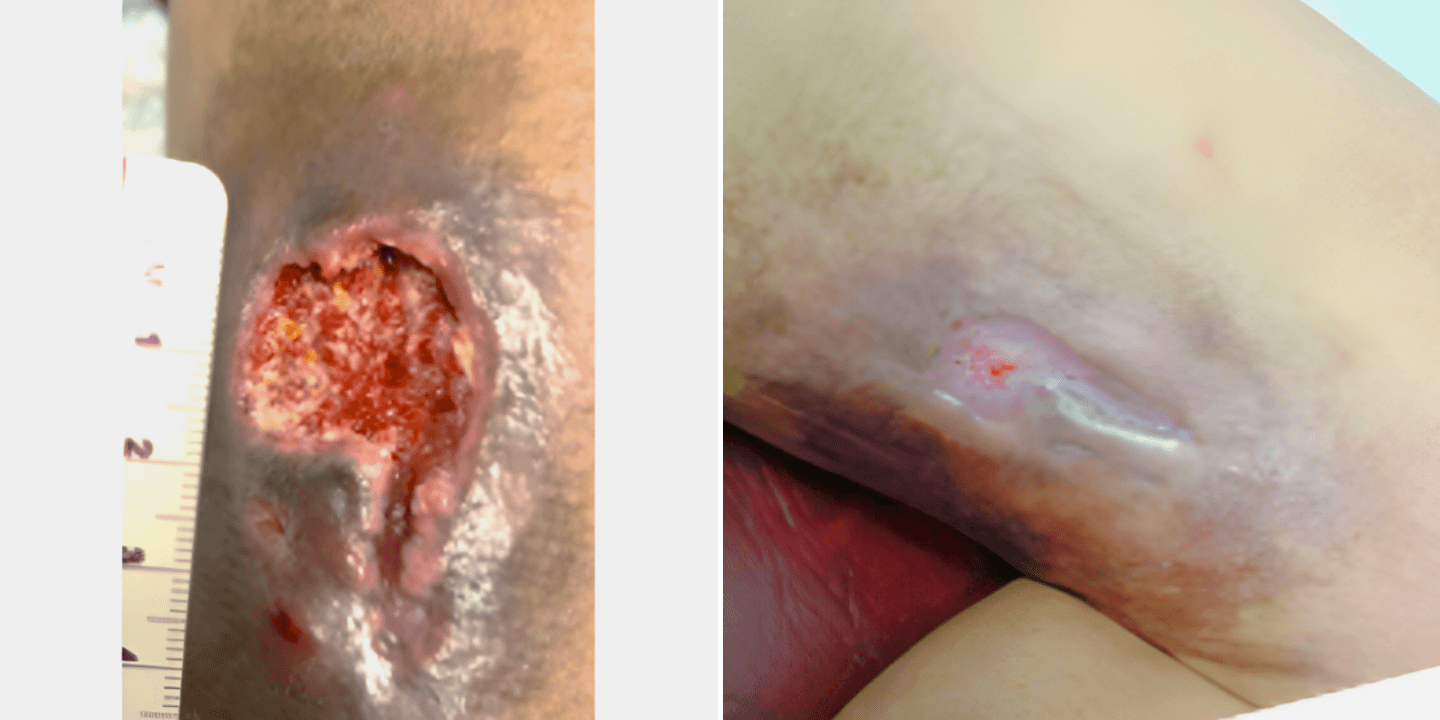
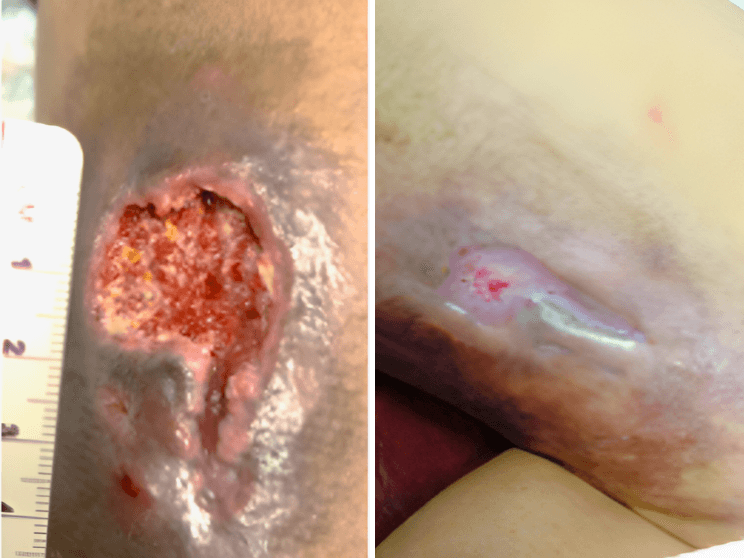
This was the case for a 70-year-old man who had a history of stroke and paralysis. Spending long hours lying down caused an open sore to develop in his buttocks area. The wound appeared red, moist, and at high risk of infection—prompting immediate and consistent care.
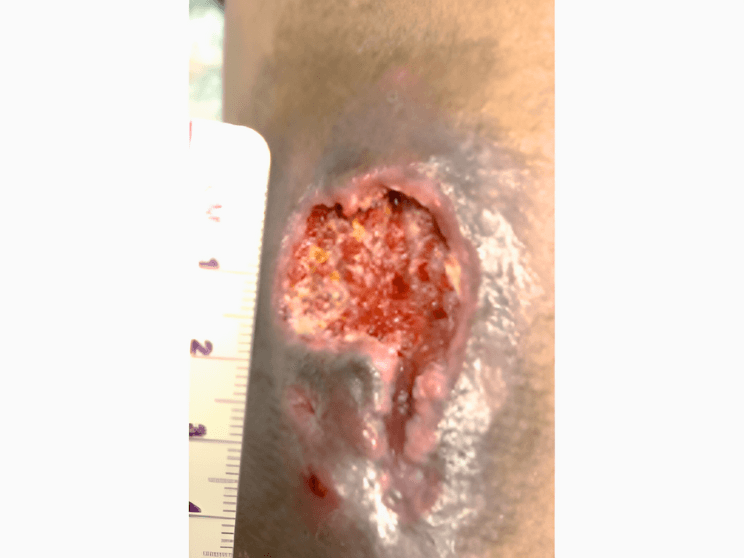
Day 1: The Pressure Ulcer Appears
When a pressure ulcer first appears, the skin is already damaged. The area looks red and wet, with visible breakdown. At this stage, keeping the wound clean and reducing bacteria is crucial to prevent infection and protect healthy skin tissue.
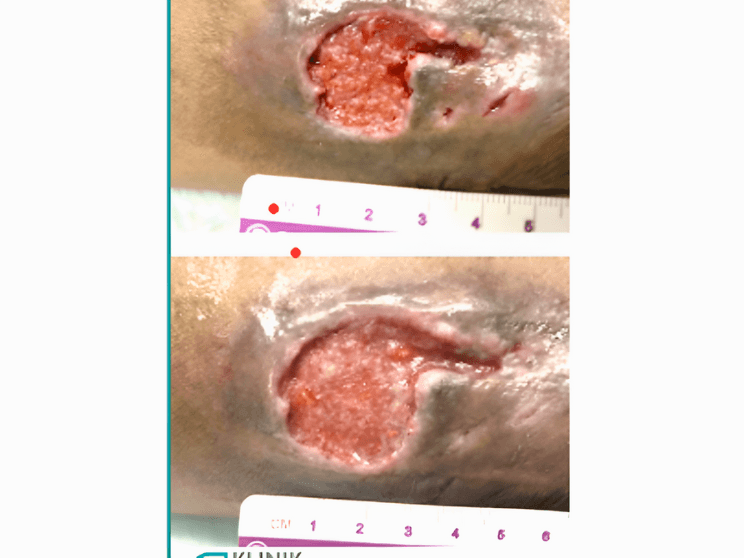
Day 3–7: Consistent Wound Care Starts to Work
From day 1, the patient began a simple care routine with wund+™ Wound Spray, applied regularly to gently clean the wound without scrubbing. This step alone made a huge difference, removing dirt effectively and maintaining a sterile environment for healing.
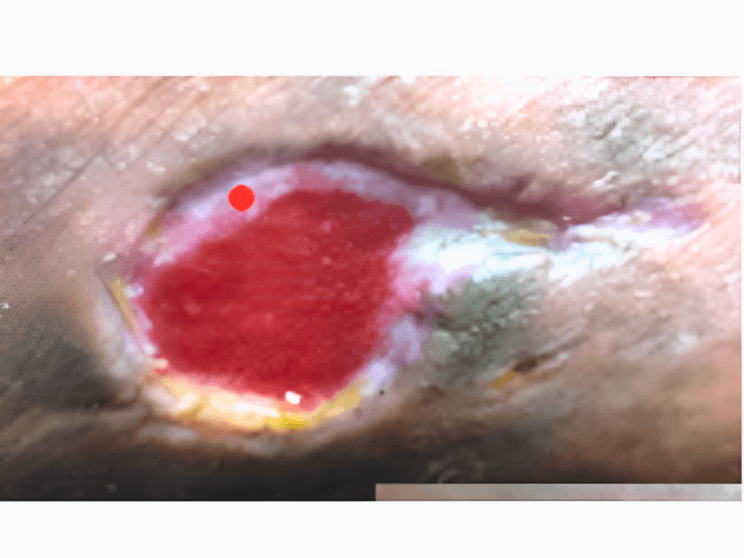
Day 12–18: Visible Signs of Healing
By day 12, the ulcer looked cleaner and less inflamed. By day 18, the wound showed clearer signs of tissue regeneration. Redness decreased, and the surface looked healthier and drier.
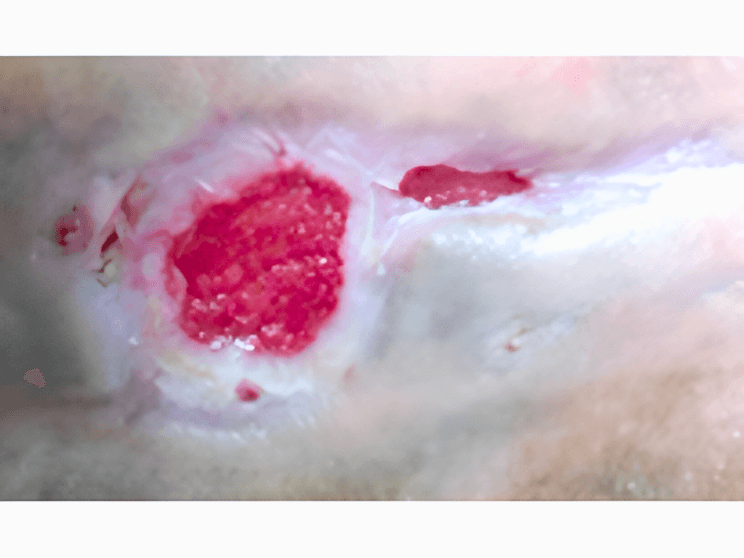
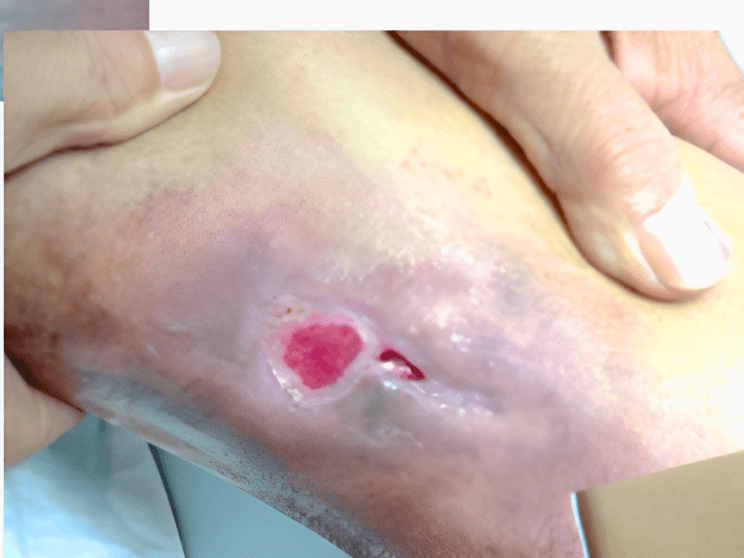
Day 25: A Healthier Skin Emerges
After 25 days, the results were clear—the wound had improved drastically. New, healthier tissue had formed, the risk of wound infection was greatly reduced, and the area looked clean and calm.
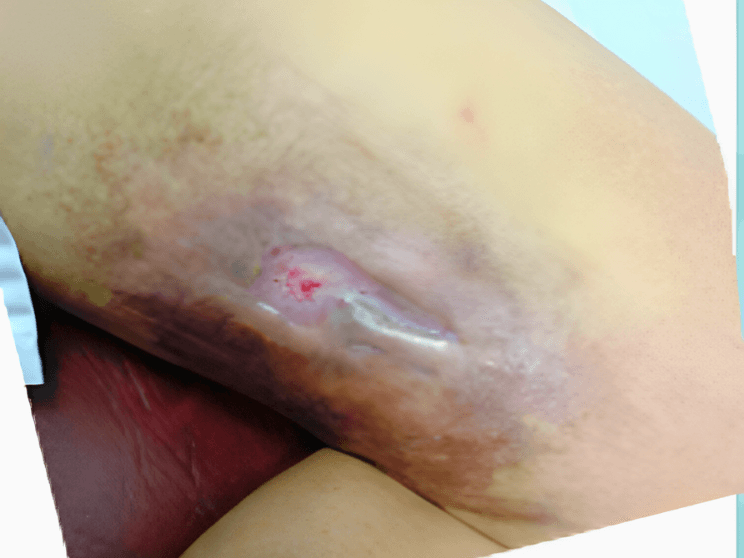
Simple and Effective Routine for Stroke-Related Pressure Ulcers
Dealing with pressure ulcers doesn’t need to be complicated. Regular cleaning, reducing pressure points, using pillows for support, keeping skin dry, and maintaining good nutrition (especially protein intake) all contribute to faster healing.
With consistent care and a gentle wound cleansing routine, patients with limited mobility—like stroke survivors—can recover faster and more safely. It’s not just about healing the skin, but also restoring dignity and comfort!
Related Articles
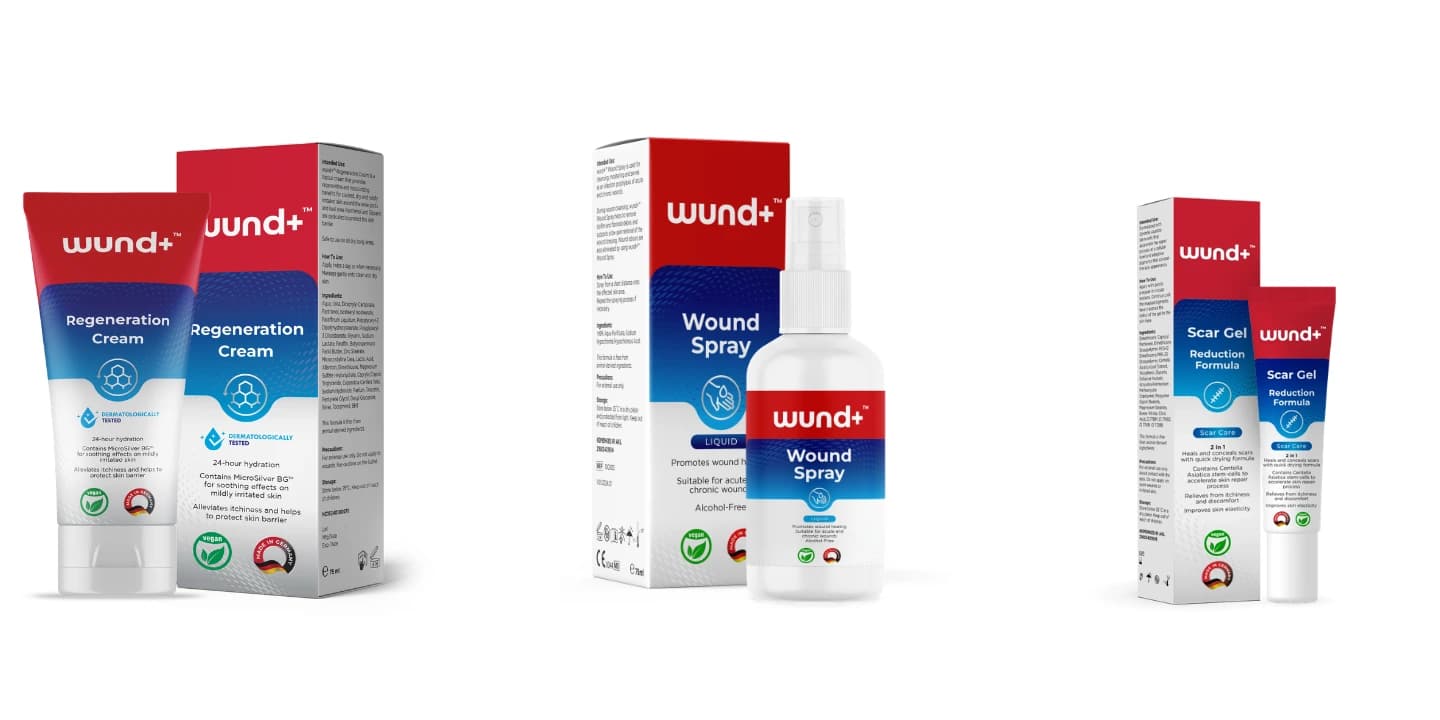
wund+™ FAQ: German-Engineered Wound & Skin Care Solutions
Explore our FAQ to learn about wund+™'s pain-free wound healing and skin regeneration. German-engineered, vegan-friendly, and safe for all skin types and ages.
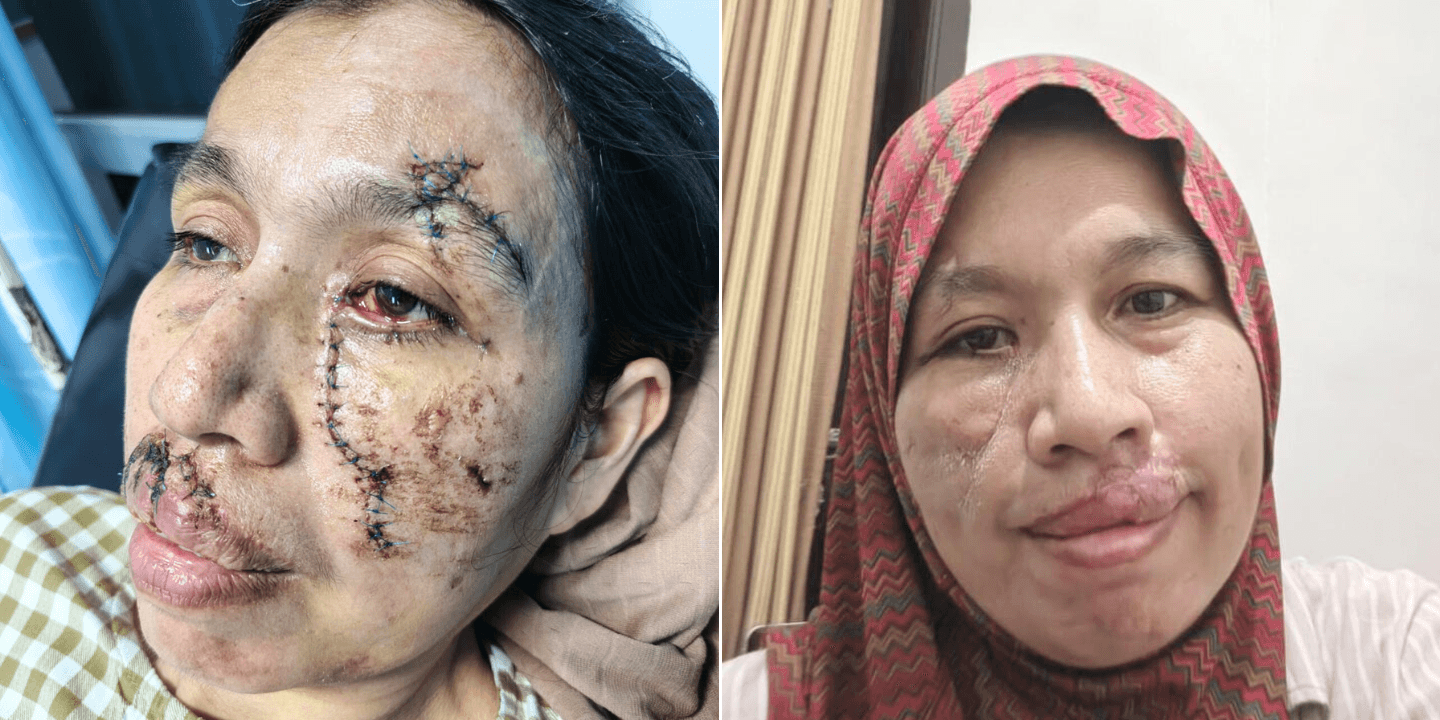
Healing After Facial Injury: From Accident Wounds to Restoring Confidence
Recover from facial injury with wund+™ Wound Spray and Scar Gel. Prevent infection and fade scars for smoother, more confident skin.
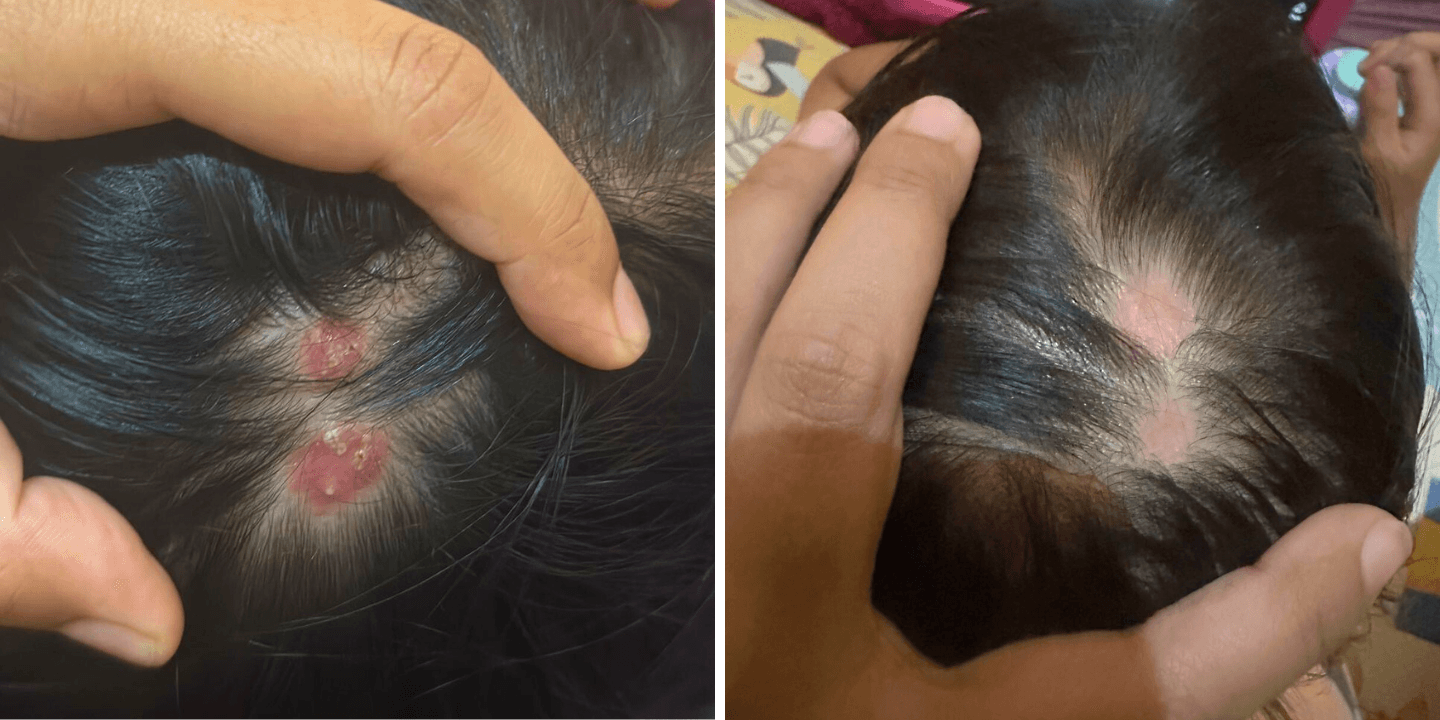
Fast Recovery from Scalp Wound in Children with wund+™ Wound Spray
wund+™ Wound Spray helps treat scalp wounds on children. The infection is quickly controlled, the wound is clean, and healing is faster without excessive stinging/pain.
Leave Feedback About This
Sinar Mas Land Plaza, Tower 1, 10th Floor,
Jl. KH Ahmad Dahlan No. 1, Jakarta Selatan,
Kota Jakarta Pusat, DKI Jakarta, 10350
Get wund+™ products according to your needs now!


